
Spring Memories of NYC’s Iconic Restaurants—Preserved in Hand-Drawn Restaurant Prints
There’s something about the arrival of spring in New York City that makes you nostalgic. Maybe it’s the longer evenings, the first outdoor tables appearing on sidewalks, or the feeling that the city is waking up again after winter.
For many of us, spring also brings back memories of favorite restaurants. The places where we met friends after work, celebrated milestones, or lingered over a meal that turned into hours of conversation.
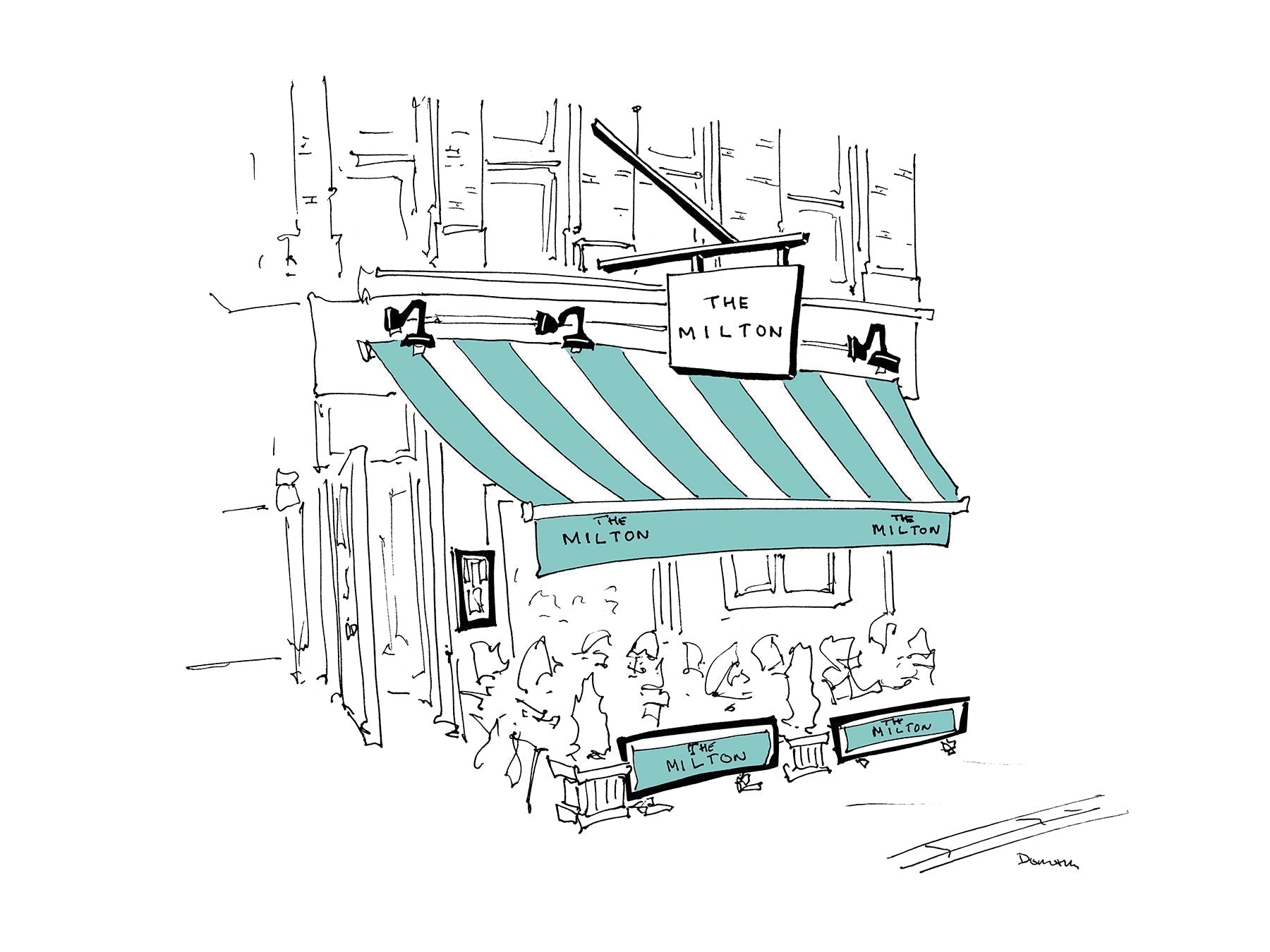
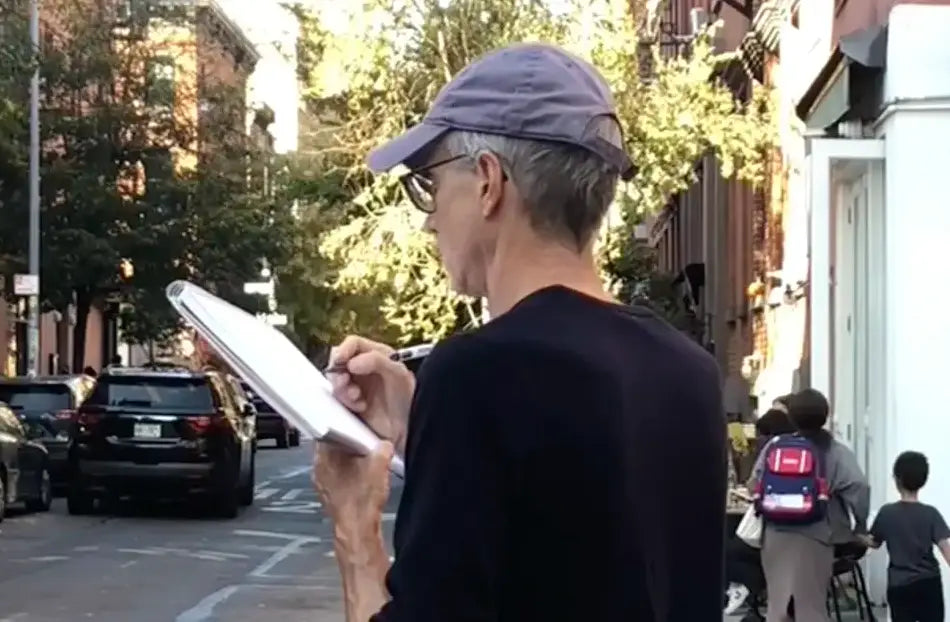
New York’s dining scene is always evolving. Restaurants come and go, but the memories tied to them stay with us. Over the years, I’ve drawn many of these beloved spots as hand-drawn restaurant prints, and each one represents more than a building. It represents the moments people shared inside.
Here are a few iconic New York restaurants that may have closed their doors but continue to live on through memory, storytelling, and art.
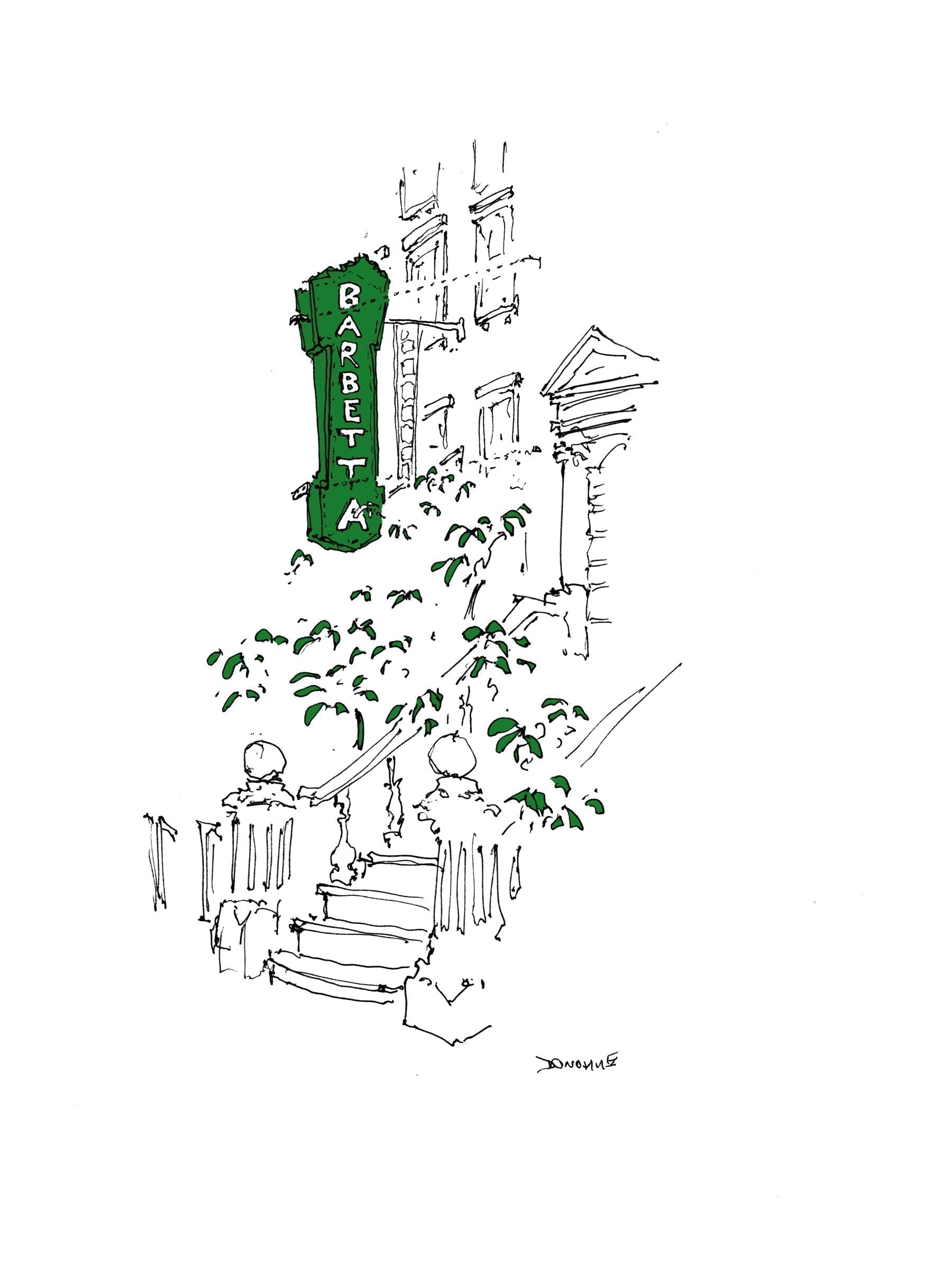
Barbetta: A Century of Italian Elegance
For nearly 120 years, Barbetta stood as a landmark of Italian dining on Restaurant Row. Opened in 1906, it was widely considered Manhattan’s oldest Italian restaurant and became known for its refined Piedmontese cuisine and beautiful garden courtyard.
Over the decades, Barbetta hosted Broadway actors, opera lovers, and generations of New Yorkers looking for a special night out. Its historic townhouse setting and elegant atmosphere made it feel timeless.
When Barbetta closed after the passing of longtime owner Laura Maioglio, it marked the end of an extraordinary chapter in New York’s restaurant history. Yet for many diners, the memories of evenings spent there remain vivid. (And that’s exactly the kind of place I love to capture in hand-drawn restaurant prints.)

China Grill: The Theater of Dining
When China Grill opened in 1987, it quickly became one of Midtown’s most dramatic dining destinations. The restaurant was known as much for its striking interior as for its bold menu that blended Chinese, Japanese, and other Asian flavors.
For decades, China Grill embodied the energy of late-20th-century New York dining: vibrant, theatrical, and unmistakably stylish. It was a place where business deals were made, celebrations unfolded, and diners experienced something that felt distinctly “New York.” Although it closed in 2017 after a celebrated 30-year run, China Grill remains a vivid memory for those who experienced its unique atmosphere.

21 Club: A Legendary Speakeasy
Few restaurants were as steeped in New York lore as the 21 Club. Originally a Prohibition-era speakeasy, it evolved into one of the city’s most famous restaurants, welcoming presidents, celebrities, and generations of loyal diners.
The jockey figurines lining the balcony and the iconic bar made it instantly recognizable. For nearly 90 years, it represented a certain kind of classic New York glamour.
When the 21 Club closed in 2020, it felt like losing a piece of the city’s cultural fabric. Yet places like this are exactly why I create hand-drawn restaurant prints, to keep these landmarks alive visually and emotionally long after their doors close.

Florent: A Downtown Gathering Place
In the Meatpacking District of the 1980s and 1990s, Florent was far more than a diner. Open 24 hours, it became a cultural hub for artists, activists, night owls, and anyone who needed a welcoming place at any hour.
Run by the charismatic Florent Morellet, the restaurant was known for its sense of community as much as its menu. It was a place where different worlds collided: artists, club kids, late-shift workers, and longtime locals sharing the same tables.
Florent closed in 2008, but its spirit still echoes through stories told by those who spent time there. For many people, a hand-drawn restaurant print becomes a way to preserve that feeling of belonging.

Gotham Bar & Grill: A Greenwich Village Institution
For nearly four decades, Gotham Bar & Grill defined American fine dining in Greenwich Village. Its seasonal menus and elegant yet welcoming atmosphere helped shape what modern New York dining could be.
Generations of diners celebrated birthdays, anniversaries, and milestones inside its distinctive dining room. When the restaurant closed in 2024, it marked the end of an era for many longtime patrons.
Restaurants like Gotham Bar & Grill remind us how deeply food and memory are connected. (It’s exactly the reason I’m drawn to capturing these spaces through hand-drawn restaurant prints.)

Hurley’s: A Midtown Irish Classic
The original Hurley’s was one of Midtown’s most storied Irish pubs, beloved for its warm hospitality and traditional fare. It was a gathering place for locals, theatergoers, and workers from the surrounding neighborhood.
Places like Hurley’s represent a quieter kind of New York institution. These restaurants feel less like businesses and more like extensions of the neighborhood itself. Though the original location is gone, the memories of those lively evenings and shared pints remain part of the city’s collective story.

Mission Chinese: A Bold Downtown Favorite
In more recent years, Mission Chinese became a Lower East Side favorite thanks to its bold, Sichuan-inspired dishes and playful energy. Chef Danny Bowien’s restaurant pushed boundaries while still feeling welcoming and fun. Its closing left a noticeable gap in the downtown dining scene, but its influence on New York’s food culture continues. Like many of the places I draw, Mission Chinese wasn’t just a restaurant but an experience.
Keeping Restaurant Memories Alive
New York City restaurants may close, but they rarely disappear entirely. They live on in stories, photographs, and the memories of the people who gathered there.
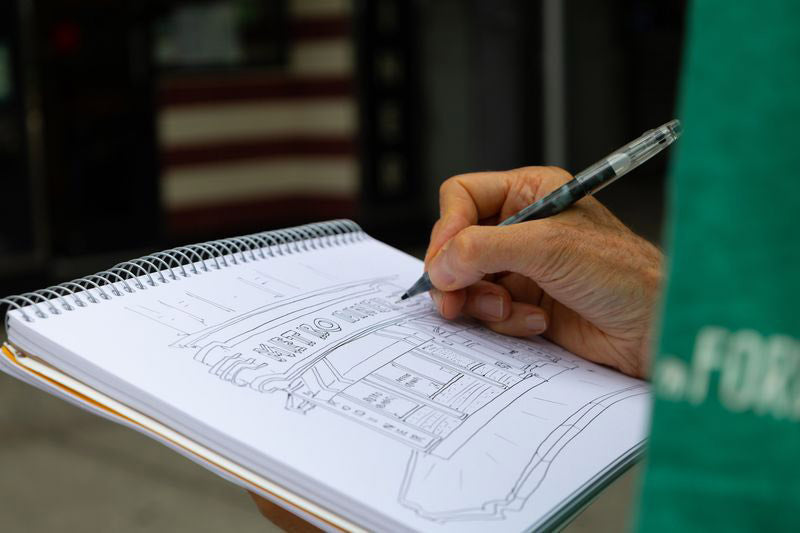
For me, creating hand-drawn restaurant prints is one way to preserve those memories. Every line of ink represents a place where something meaningful happened: a first date, a celebration, a late-night meal with friends.
Spring in New York always brings the promise of new restaurants and new experiences. But it also reminds us of the places that helped shape our personal histories in the city. And sometimes, the best way to honor those places is to keep them alive on the wall.