


Drawing in the Moment
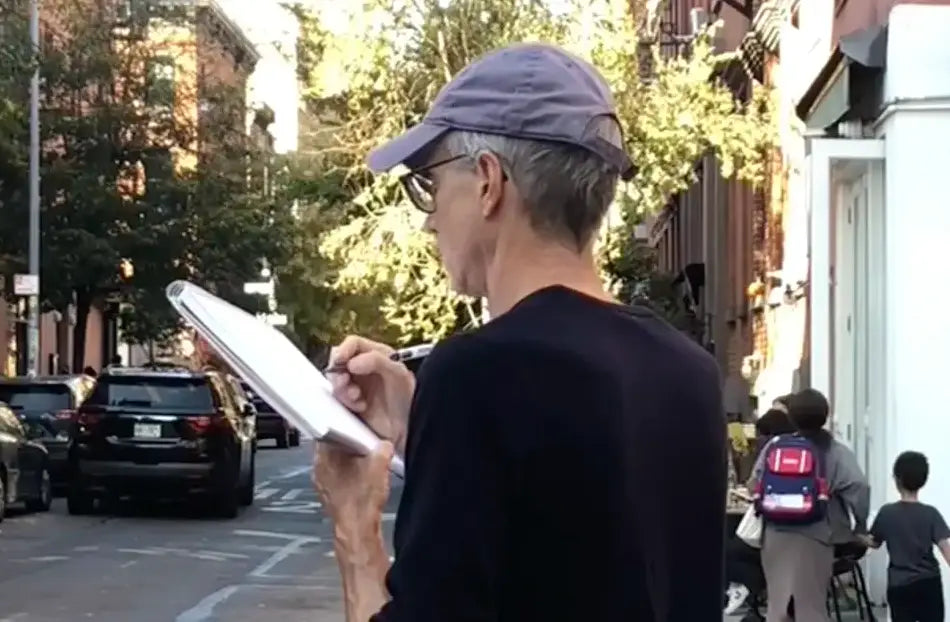
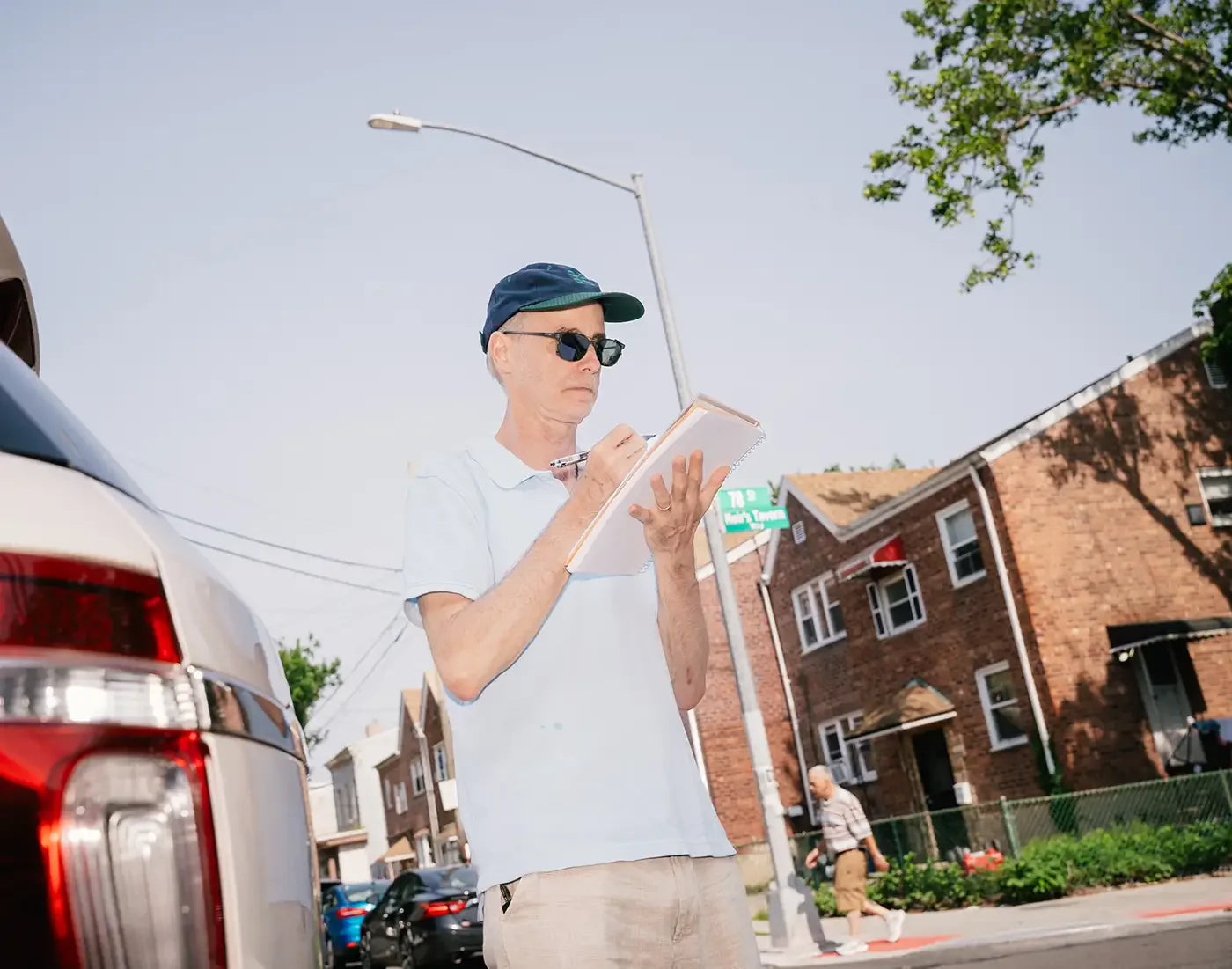
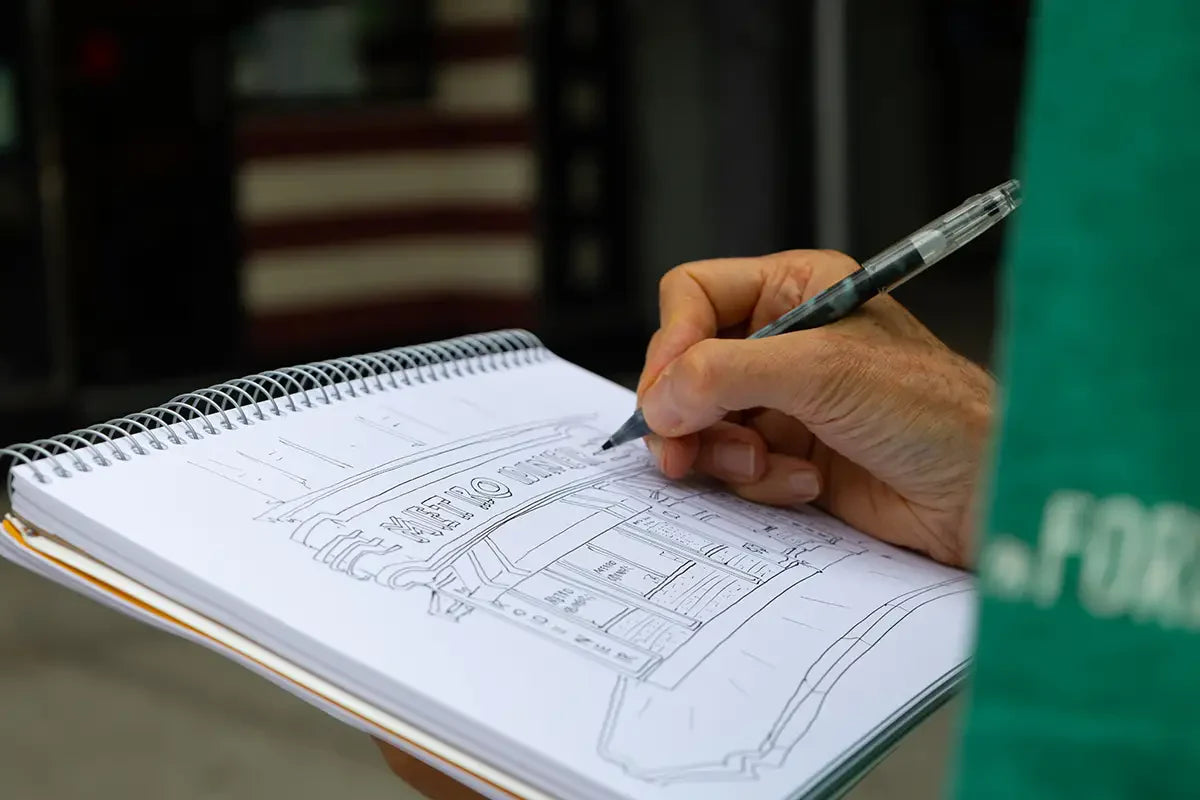
Each restaurant takes about 20 minutes to capture. Some go quicker; others, especially older or more intricate buildings like London’s Chiltern Firehouse, take a bit longer. My process is about being present and embracing imperfection. I don’t use a pencil, and I rarely go back to redraw something. I’ve even accidentally drawn the same place twice — and I don’t mind. I just love to draw.
The angle I choose depends on what’s happening on the street. Shade, sunlight, and street furniture help guide my placement. It’s important to me that these are drawn from life — living, breathing scenes — not polished studio recreations.
Choosing Restaurants
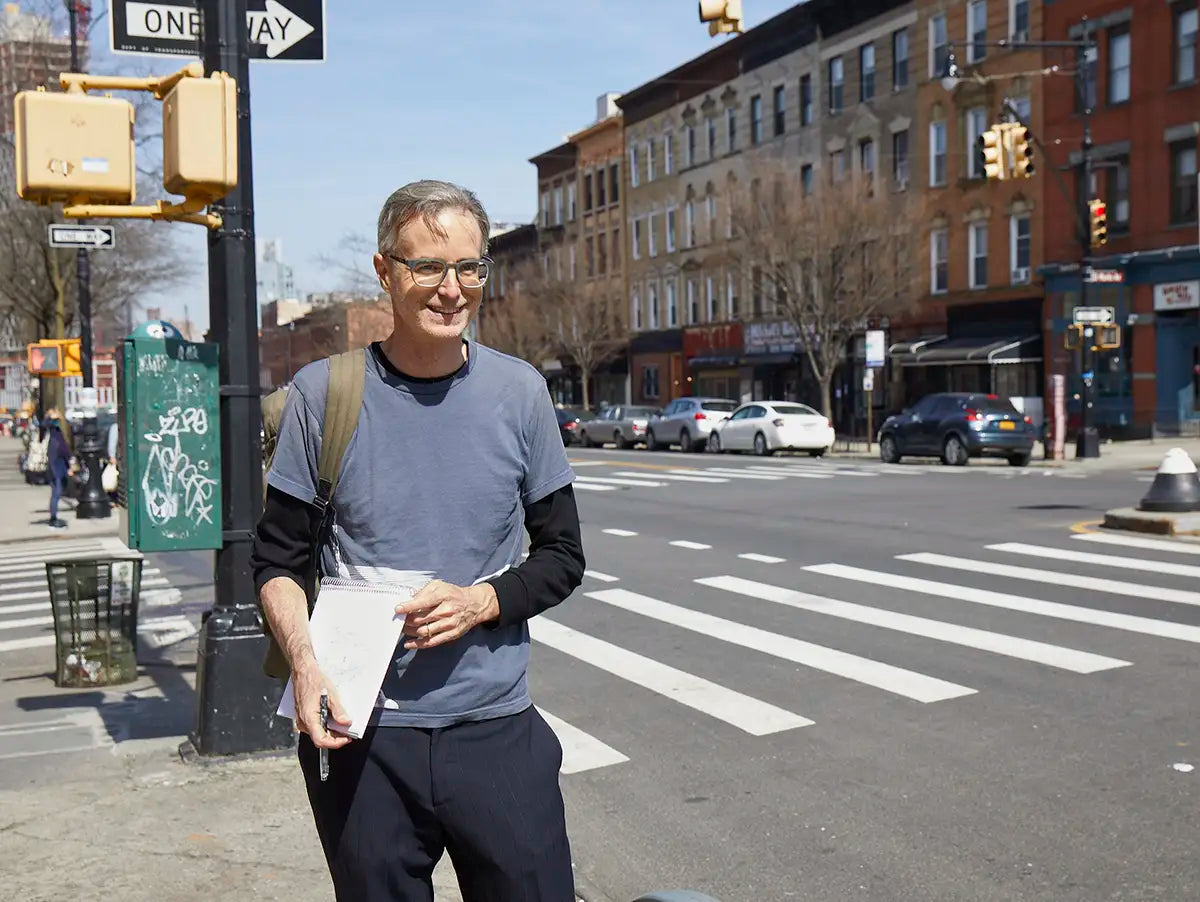
In the early days, I picked iconic spots in Manhattan, sometimes sketching before or after job interviews. Now, I mostly draw by request. If I hear of a place closing, I try to get there in time to capture it before it’s gone. Commissions are prioritized, but I keep a running list of restaurants people hope to see in the collection.
As for the cities I work in, New York is my home base, but I’ve drawn in Paris, London, Napa, and Philadelphia. I go where there’s interest — and good food. You can make a request for a restaurant for here.
Printing & Signing
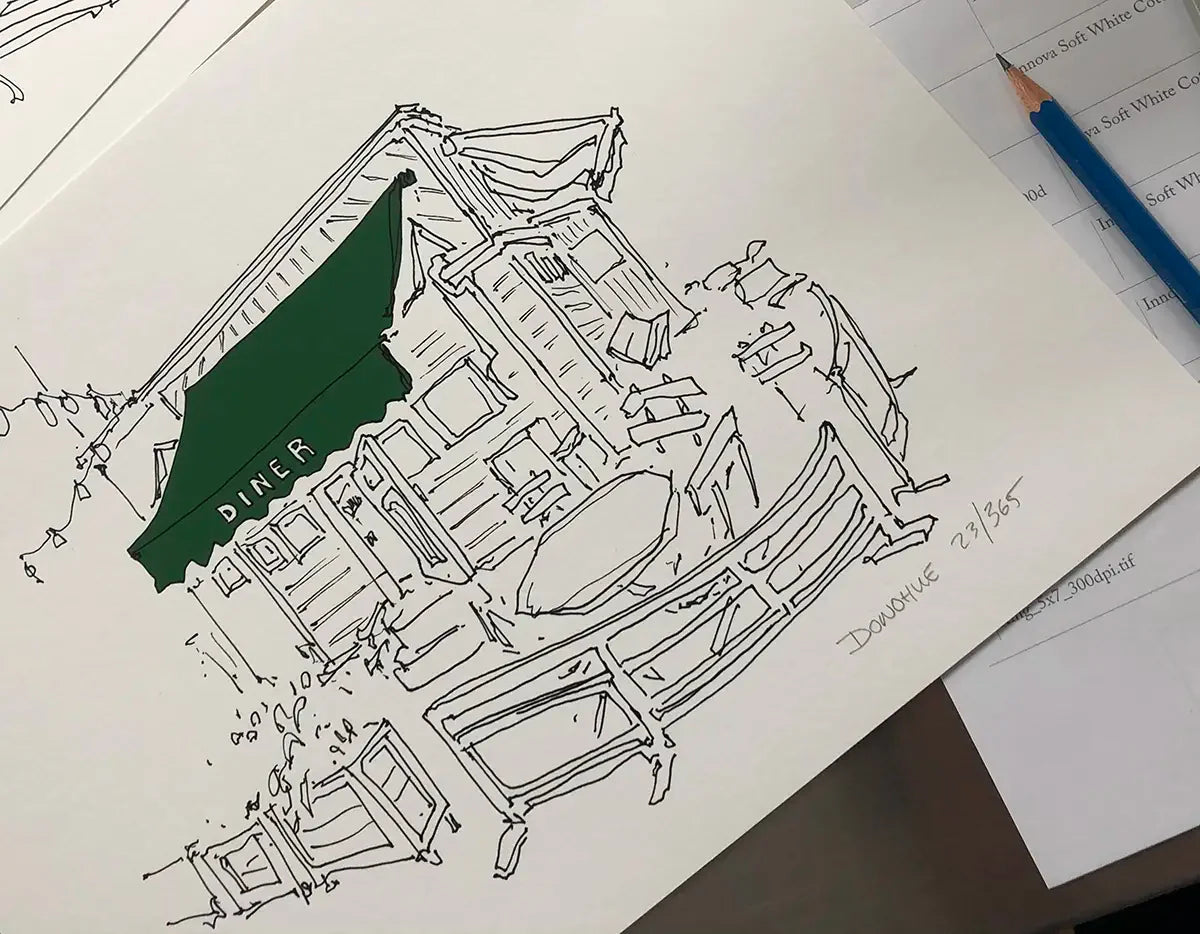
Once the drawing is complete, I scan and digitally color it, then work with a trusted fine art printer to create high-quality Giclée prints. Each print is made in a limited edition of 365, and every single one is hand-signed and numbered by me. I chose this number deliberately: to remind us that our days (and dinners) are numbered. It’s a way to hold on to the moments that matter — birthdays, anniversaries, first dates, or just a night out that felt special — and to keep those memories alive, beautifully.
Adding Color
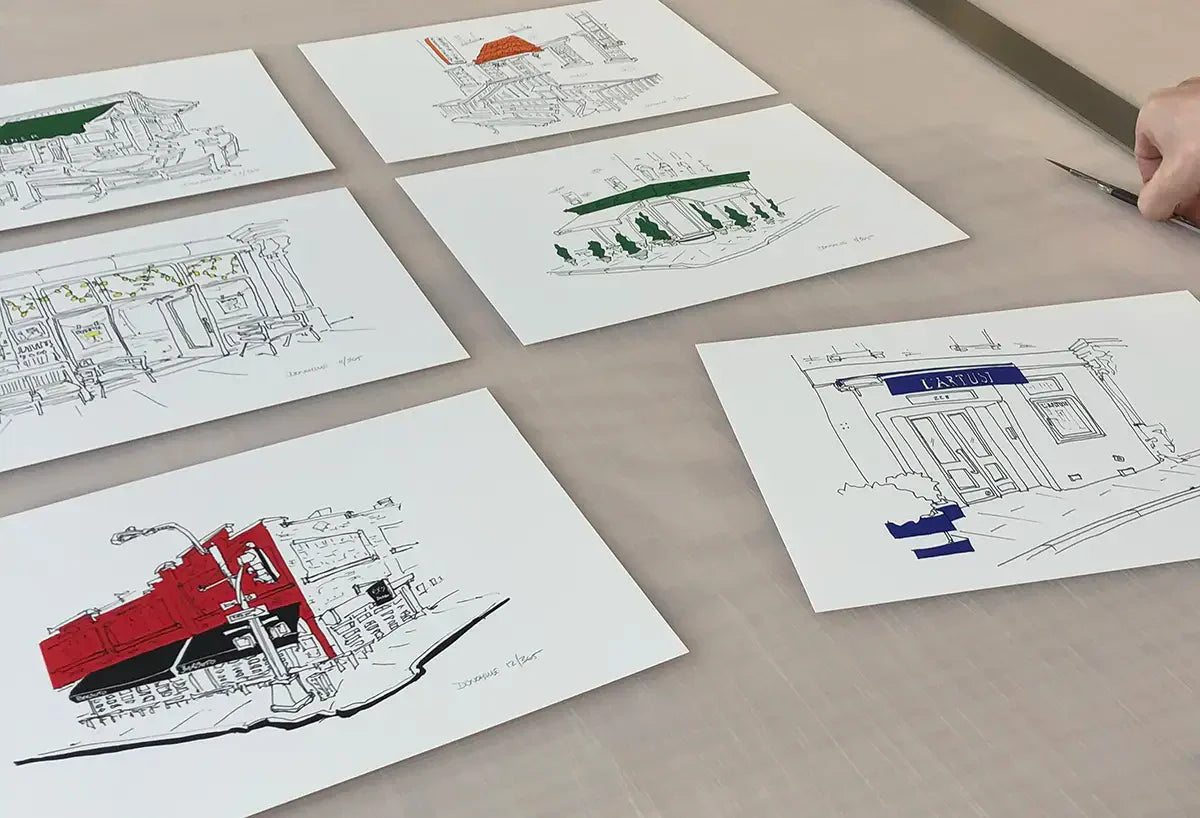
Color is chosen based on the real-life details of the restaurant: a red awning, a bold storefront, or subtle signage. Ironically, the more prestigious the place, the more minimalist the exterior tends to be. For instance, many high-end restaurants seem to have discreet black façades. Those are trickier, but I find a way to make them sing.
Daily Practice
Drawing isn’t just my profession. It’s my daily ritual. I start each day by sketching a toy duck on a tricycle and end each night by drawing my dish rack. The dish rack has become a kind of visual journal: no two days, or dishes, are the same. Over time, these practices sharpened my ability to draw quickly, instinctively, and with intention — skills I carry with me to every restaurant facade.

Drawn and printed by hand